
WPC Profiles
Understanding the Benefits of Composite Siding
Explore "what is composite siding," its materials, benefits, and installation tips. Learn how different types impact costs and maintenance for your home.
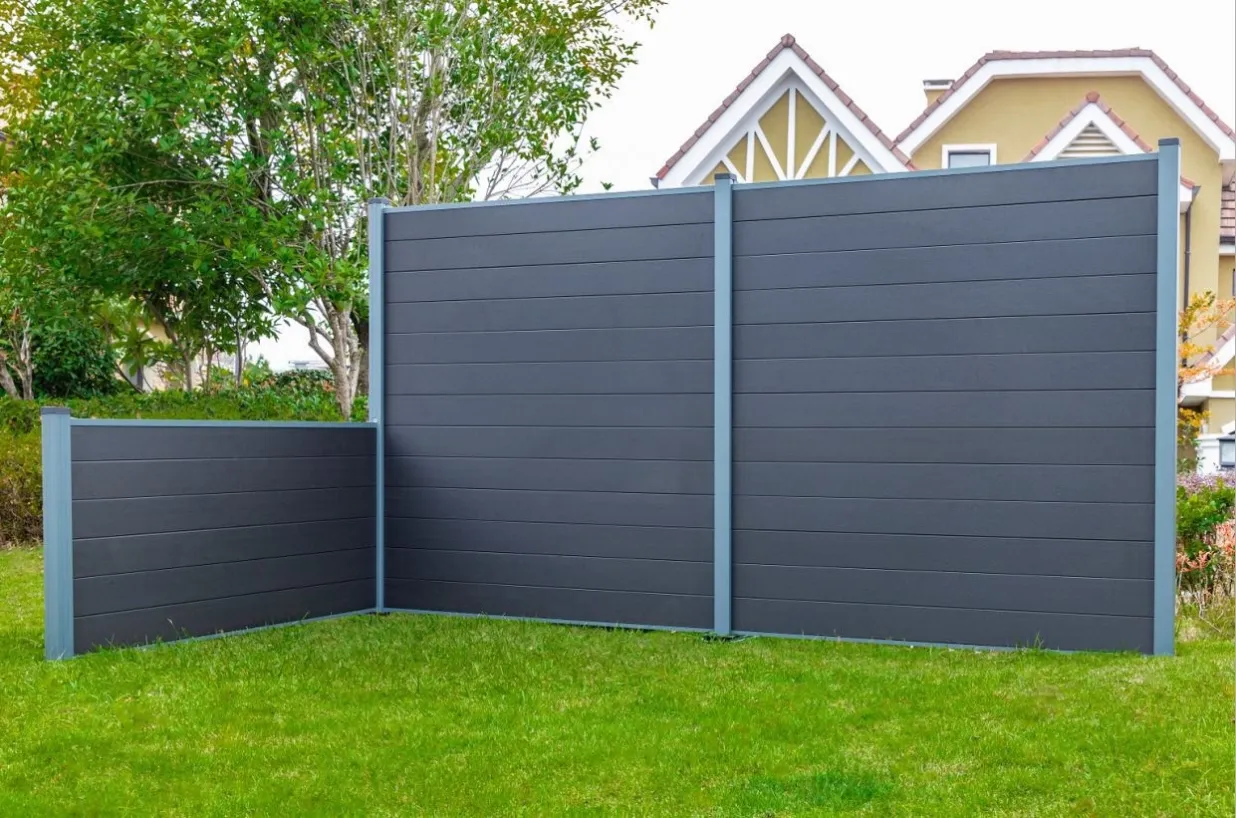
Composite siding is exterior cladding made by combining materials to create boards or panels with specific performance characteristics. Depending on the product, its benefits can include wood-like texture, moisture resistance, and less demanding upkeep. Understanding the differences between engineered wood, fiber cement, and wood-plastic products helps you compare those benefits without assuming every composite performs alike.
What is composite siding?
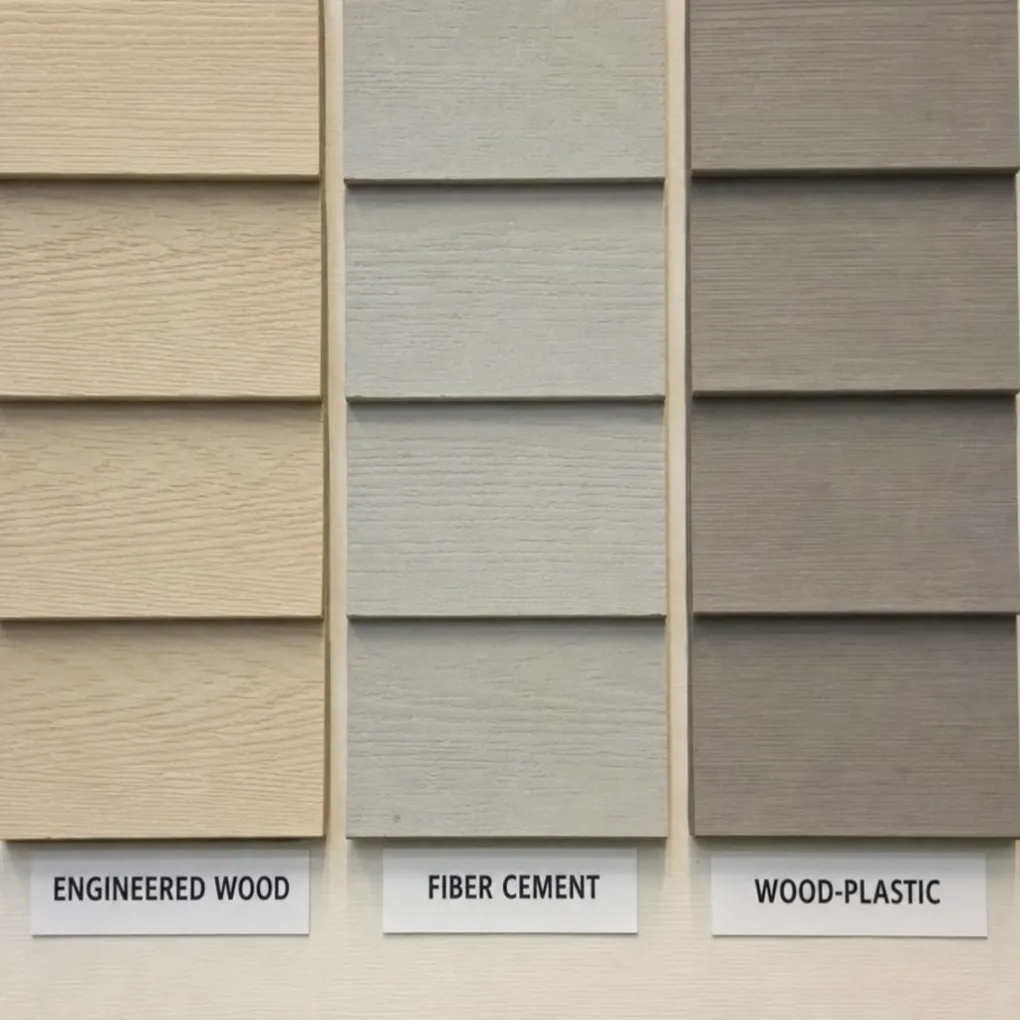
Composite siding is a broad description for manufactured exterior wall coverings that combine different ingredients rather than use solid lumber alone. Engineered wood combines wood strands or fibers with binders and treatments; fiber cement combines cement with reinforcing fibers and other ingredients; wood-plastic composite combines wood-based material with plastic. Those differences matter more than the shared label.
If you are wondering what composite siding is called, the answer depends on its composition. Product literature may describe it as engineered wood siding, fiber cement siding, wood-plastic composite, or composite cladding. Ask contractors to identify the exact material and product line in their proposals, not simply write “composite siding.” That makes comparisons clearer and helps prevent misunderstandings about maintenance.
Think of the term as a starting point, not a performance guarantee. Before choosing a color or profile, establish which material family you are considering and request its installation and care documents.
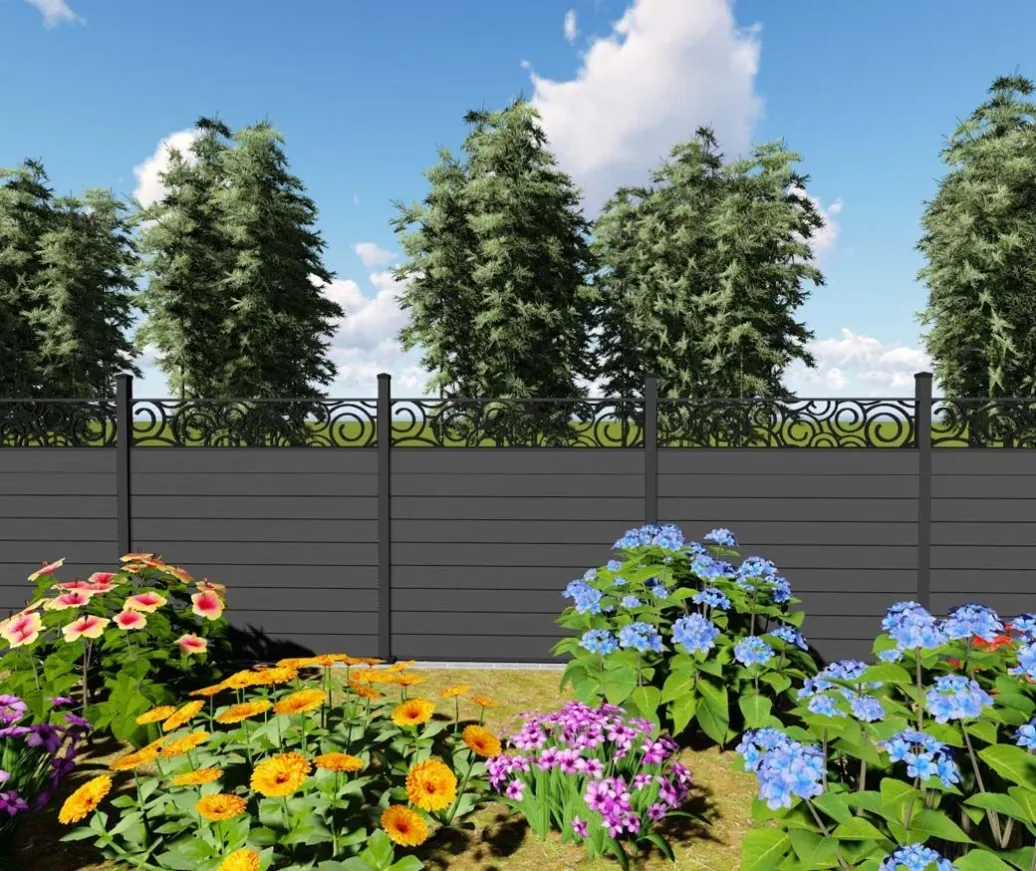
What is composite siding made of?
Composite siding materials vary by manufacturer and product family. Common formulations use wood strands bonded with resins, cement reinforced with cellulose fibers, or wood-based material blended with plastic. The ingredients influence how a board manages moisture, accepts finishes, and must be installed.
Material family | Typical composition | What to investigate |
Engineered wood | Wood strands or fibers, resins, waxes, and protective treatments | Required painting, cut-edge protection, and clearances |
Fiber cement | Portland cement, cellulose fibers, sand, water, and additives | Handling, fastening, finishing, and product-specific installation requirements |
Wood-plastic composite | Wood-based material and plastic, sometimes with a protective outer shell | Drainage, ventilation, approved fasteners, and cleaning requirements |
These are useful categories, but exact formulas and installation requirements remain product-specific. Consult the documents for the siding actually being quoted rather than transferring instructions between materials.
For example, LP SmartSide uses treated wood strands with resins, water-resistant waxes, zinc borate, and an overlay. Hardie fiber cement uses a cement-based formulation reinforced with cellulose. Trex composite cladding uses reclaimed sawdust and recycled plastic film. These examples illustrate different approaches, not interchangeable products.
Benefits that matter in everyday ownership
The most useful benefit is not simply that siding is manufactured. It is whether its particular construction addresses your home's exposure, your preferred appearance, and the maintenance you are willing to undertake. Evaluate those advantages separately rather than accepting a blanket durability claim.
Resistance tailored to specific challenges
Protective treatments can help engineered wood resist moisture intrusion, termites, and fungal decay. Fiber cement offers a different combination of properties: James Hardie describes its siding as water-resistant, pest-resistant, and noncombustible. These characteristics should not be extended to every product marketed as composite.
Water resistance also does not mean waterproof. Trex explicitly states that its cladding is not waterproof and depends on appropriate drainage and airflow. Ask how the proposed siding system handles water behind the boards, not just rain striking the face.
Finish choices and manageable upkeep
Composite products can offer embossed wood textures, smooth surfaces, or factory-applied finishes. Those options let you explore a wood-inspired exterior without assuming solid wood is the only route. Compare physical samples before committing, paying attention to grain repetition, surface sheen, and the appearance of joints.
Maintenance requirements vary considerably. Painted engineered wood needs finish inspections and appropriate touch-ups, while some capped wood-plastic cladding products do not require painting or staining. The practical benefit is finding an upkeep routine that suits you—not expecting every composite exterior to be maintenance-free.
Composite siding installation determines the result
Composite siding installation must follow the instructions for the exact product. Requirements for fastening, clearances, flashing, finishing, and the supporting wall assembly are not universal. Treat installation details as part of the purchase, not something to resolve after the boards arrive.
Use contractor conversations to establish how the work will be completed:
- Identify the wall preparation. Ask how existing conditions will be inspected and how any necessary repairs will be documented before covering the wall.
- Review water management. Request an explanation of the water-resistive barrier, flashing, and any required drainage or ventilation space.
- Confirm product-specific details. Have the installer identify the specified fasteners, clearances, joint treatment, and cut-edge finishing requirements.
- Document completion. Request photographs of concealed details and retain the product identification, installation documents, and written workmanship terms.
Manufacturer guidance demonstrates why these questions matter. LP specifies ground clearances for its siding, James Hardie provides joint-flashing instructions, and Trex describes a cladding assembly using a water-resistant barrier and furring strips. One installation method should not be assumed suitable for all three.
An attractive finished wall is only part of the result. Ask the contractor to explain the less visible details just as clearly as the color layout.
Understanding composite siding cost
Composite siding cost is a project total, not just a board price. Material selection, home size and height, local labor, and installation complexity all influence the estimate. Existing siding removal and preparation can also affect the scope, so a generic price is less useful than comparable written proposals.
Request an itemized estimate that addresses:
- Specified materials: Product line, profile, finish, trim, and accessories.
- Preparation: Removal, disposal, wall inspection, and the process for pricing concealed damage.
- Installation: Labor, access equipment, flashing, barriers, and any required furring.
- Finishing: Painting, touch-ups, sealants, and cleanup, where applicable.
- Responsibilities: Who handles permits, scheduling, change approvals, and final inspection.
Use this list as a comparison template rather than assuming every item applies. Ask each contractor to mark exclusions explicitly. A lower bid is difficult to evaluate when you cannot tell whether it includes the same work.
Also compare future responsibilities. Request the maintenance instructions alongside the quote, and distinguish coverage for the siding substrate from coverage for its finish. LP's warranty explanation, for example, separates an initial labor-and-material provision from later prorated material coverage. A headline warranty length does not explain the entire benefit.
What is the best composite siding for your home?
The best composite siding is the specific product that fits your home's exposure, appearance goals, maintenance preferences, and installed budget. Start with documented product characteristics rather than a universal ranking. The three material families offer different benefits and installation requirements, so a recommendation should explain why a particular product suits your project.
Build your shortlist around a few priorities. If noncombustibility matters, investigate documented fiber cement options rather than assuming all composites qualify. If avoiding repainting is central, examine cladding specifically designed without that requirement. If you prefer painted engineered wood, review its finish-care obligations before deciding.
Then ask for samples and comparable proposals. Have installers explain how they would handle your home's corners, openings, transitions, and challenging access areas. Choose the proposal that makes both the product and the work understandable.
A practical approach to long-term value
Composite siding can offer an appealing balance of appearance, protection, and upkeep, but those benefits belong to specific products—not the category as a whole. Start by identifying the material, then examine installation requirements, total project scope, and ongoing care.
Before signing, gather the sample, itemized proposal, installation instructions, maintenance guide, and warranty in one place. That simple comparison keeps the decision focused on what you are actually buying: a complete exterior system and a realistic ownership commitment.